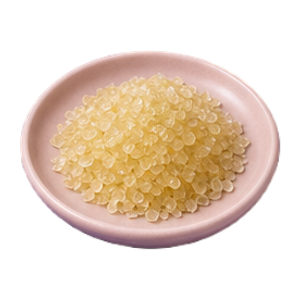
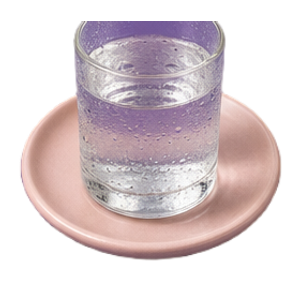
Put powdered gelatin(9 g) in a small bowl, pour in cold water(45 ml). Stir and let sit for 5 minutes. The gelatin will swell and turn jelly-like — that's what you want.
Tip
Don't drop gelatin straight into hot cream — it will form lumps you can't dissolve.
Step 02 of 07
Heat the cream
500 ml
250 ml
80 g
1 szt
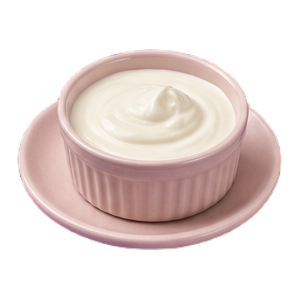
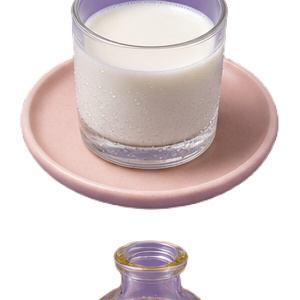
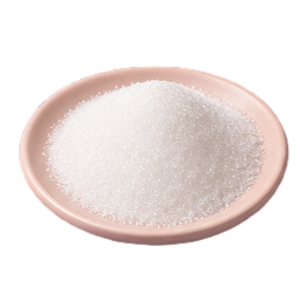
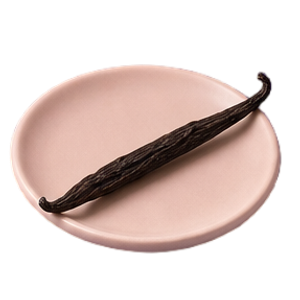
Pour heavy cream 30%(500 ml) and whole milk(250 ml) into a pot. Add sugar(80 g) and vanilla sugar (16 g)(1 szt). Heat over medium, stirring, until the sugar dissolves and small bubbles appear at the edges. Don't boil — the cream should not come to a boil.
Step 03 of 07
Dissolve the gelatin
9 g
Take the pot off the heat. Add the bloomed powdered gelatin(9 g) and stir for a minute until fully dissolved. The liquid must be clear — no lumps on the bottom or the spoon.
Tip
If the gelatin won't dissolve, put the pot back on very low heat for 30 seconds. Don't overheat — above 80°C gelatin loses its setting power.
Step 04 of 07
Pour into molds
Strain the mixture through a sieve into 6 glasses or molds (about 130 ml each). The sieve catches any gelatin lumps and the milk skin — this is what makes the dessert perfectly smooth.
Step 05 of 07
Chill in the fridge
Refrigerate for at least 4 hours, ideally overnight. Panna cotta needs to set properly — any less and the middle will still be runny.
Step 06 of 07
Make the raspberry sauce
250 g
40 g
1 łyżka
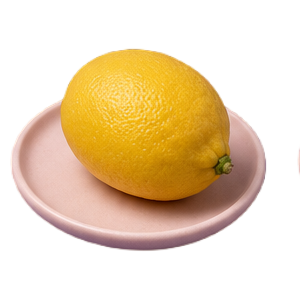
Put raspberries (fresh or frozen)(250 g) in a small pot, add sugar for the sauce(40 g) and lemon juice(1 łyżka). Cook over medium heat for 6-8 minutes, until the raspberries break down and the sauce thickens. Pass through a sieve to remove the seeds. Let cool.
Step 07 of 07
Serve
250 g
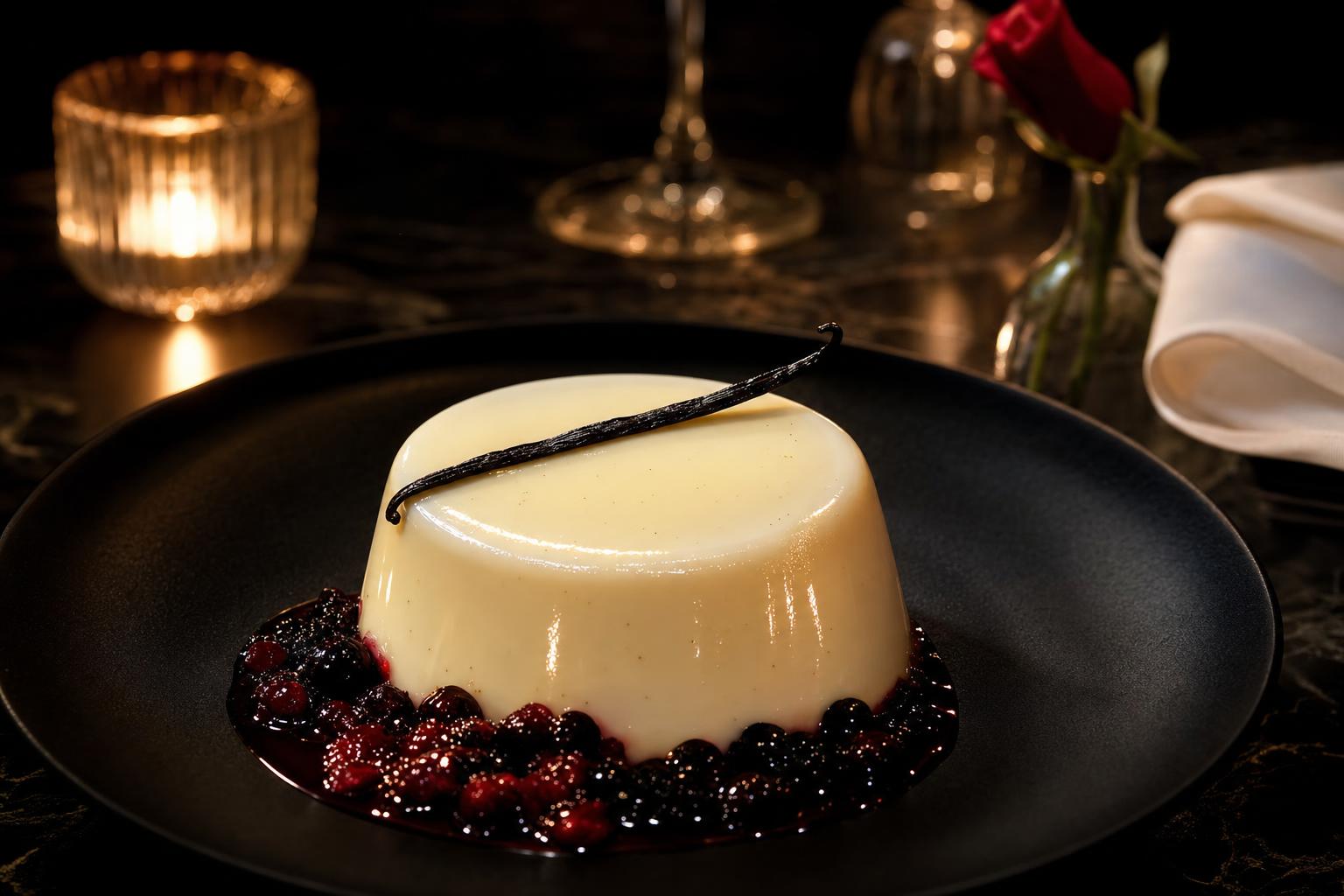
Spoon raspberry sauce over each panna cotta just before serving. If serving in glasses — leave as is. To unmold, dip the mold in warm water for 5 seconds and flip onto a plate.
Bon appétit
How did it turn out?
Enjoy — now it's a matter of patience and a good table.